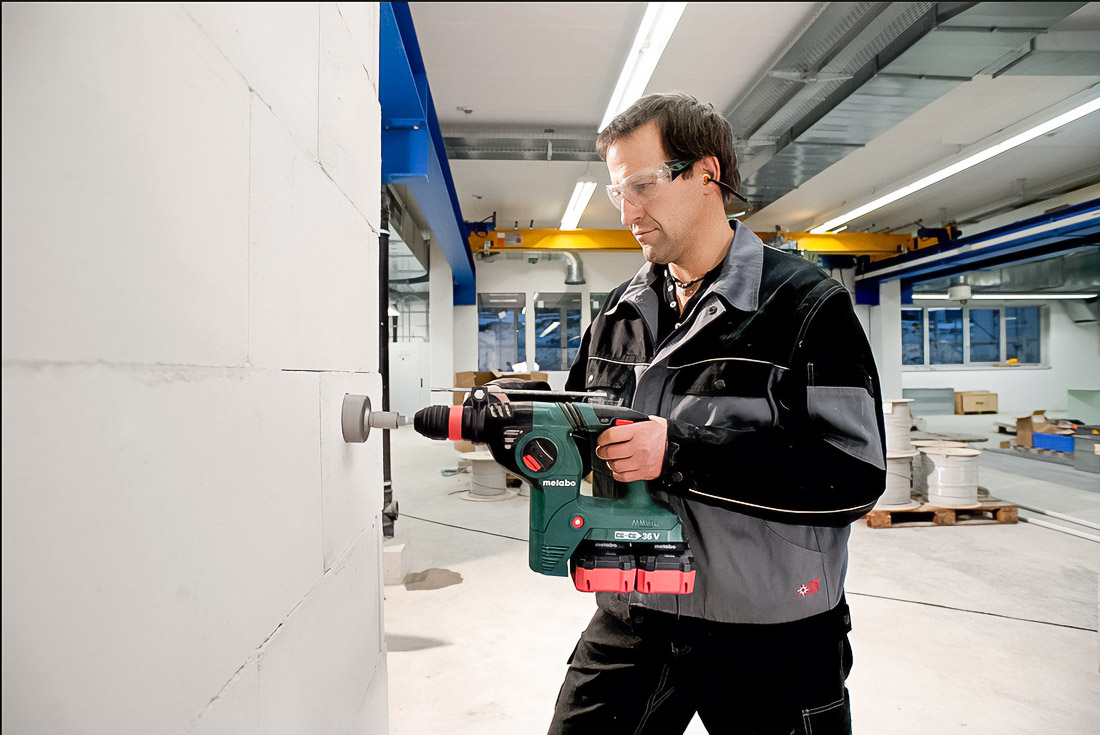
Tools and equipment are rarely perceived as vulnerable elements of the workflow. They are usually just there, working and being used day in and day out. However, it is their condition that determines the performance, safety and stability of the entire operating system.
Most equipment failures do not occur suddenly. Breakage is almost always the result of accumulated wear and tear. Minor defects that are ignored gradually turn into critical faults.
The Nature of Wear and Hidden Causes of Failures
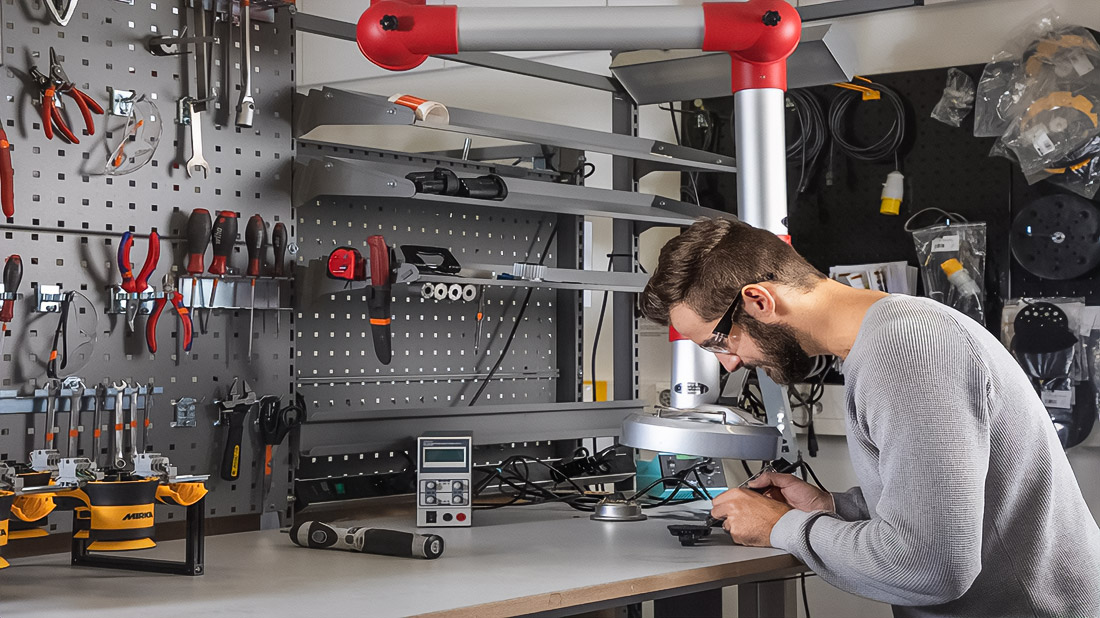
Any equipment operates under constant load conditions. Moving parts experience friction, mechanical components experience vibration, and electrical components experience thermal stress. Add pollution, dust, moisture, and temperature fluctuations.
The result is predictable. Materials get tired. The surfaces are erased. Connections weaken.
Wear is almost never instantaneous. It develops gradually and gives signals in advance. An increase in temperature, unstable operation, decreased accuracy, and extraneous sounds are all signs of a deteriorating technical condition.
Regular monitoring of the condition allows you to see these signals on time.
Preventive Maintenance as a Basic Strategy
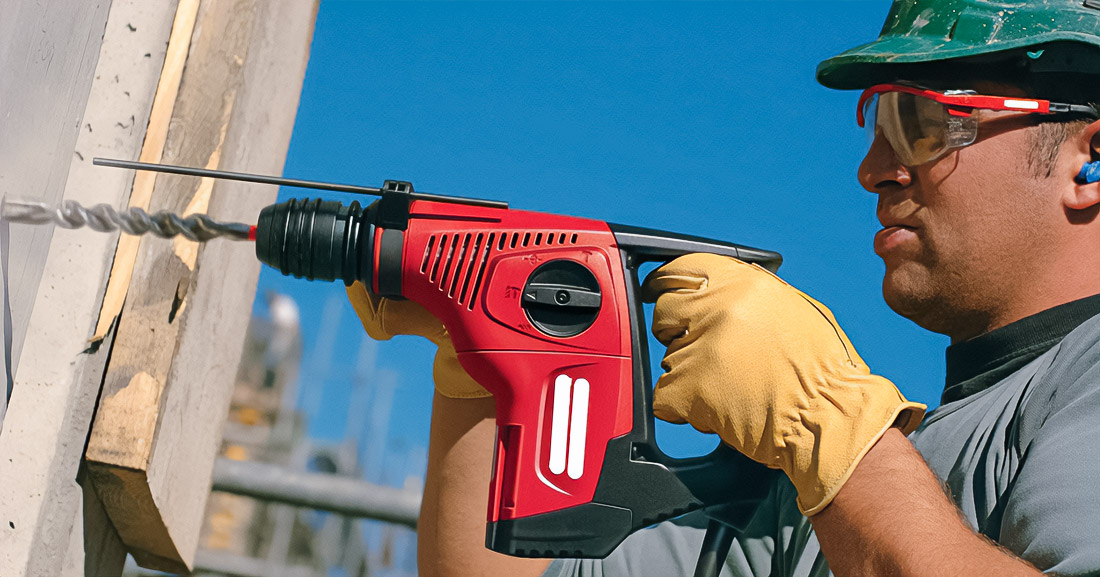
The reactive approach to maintenance is still widespread. The tool is repaired only when it stops working. This approach is almost always more expensive.
Preventive maintenance works differently. It is focused not on eliminating consequences but on preventing failures. Regular inspections, routine inspections and replacement of wear parts make it possible to keep the equipment in working order without sudden failures.
Practice shows that early detection of problems reduces repair time and reduces overall costs. Minor malfunctions are fixed quickly. Major breakdowns simply don’t have time to occur.
Cleaning as an Element of Equipment Protection
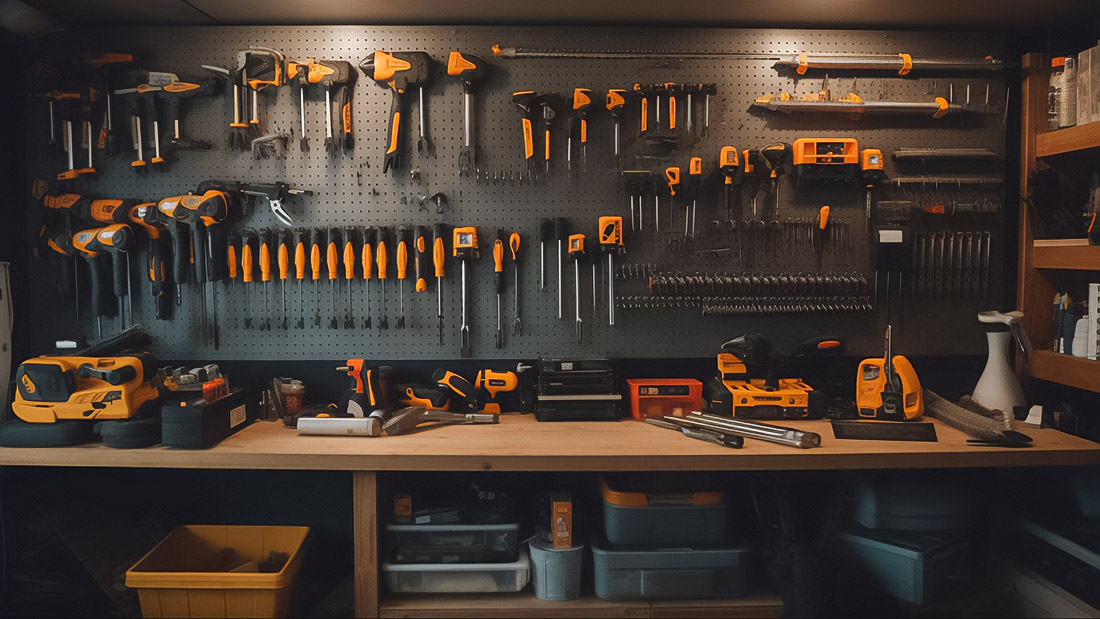
Cleaning a tool is often perceived as a secondary task. This is a mistake. Contamination directly affects the rate of wear.
Dust, dirt, and material residues accumulate in hard-to-reach areas. The moving parts start working with increased resistance. In electrical equipment, clogged ventilation ducts lead to overheating.
Even a few minutes of cleaning after use significantly reduces the risk of failure. Regular cleaning stabilises the operation and extends the service life of the equipment without complicated procedures.
Lubrication and Friction Control
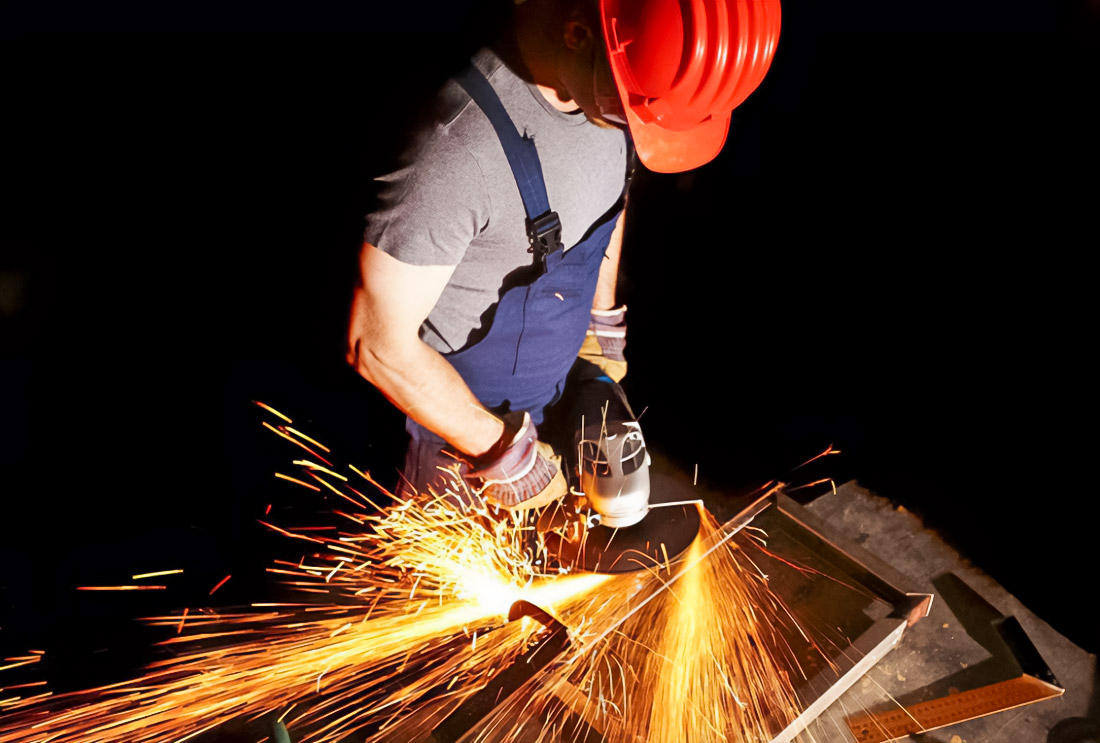
Friction is one of the main destructive factors. Without proper lubrication, surfaces wear out faster, heat up, and deform. This is especially critical for nodes with constant movement.
The lubricant reduces the load on the mechanical elements and protects them from premature wear. It is important to follow the recommendations on the type and volume of lubricant.
Improper lubrication is just as dangerous as its absence. Excessive deposits can cause contamination and deterioration of the mechanisms.
Wear Parts and Timely Replacement
Some elements of the equipment are initially designed for a limited resource. Cutting edges, seals, belts, brushes, and other components lose their properties over time. If they are not replaced on time, the load is redistributed to other nodes. As a result, more expensive and complex components suffer.
Timely replacement of worn parts helps to maintain the integrity of the entire system and avoid serious damage.
Exploitation, Limitations, and the Human Factor
Even a serviceable tool quickly fails if used improperly. Overloading, operating outside permissible modes, and improper use accelerate wear.
Compliance with operational restrictions is a basic requirement. It directly affects the service life of the equipment.
The human factor is equally important. Trained operators are more attentive to the tool, notice deviations faster and make mistakes less often. In terms of shared use, responsibility for the condition of the equipment should be clearly distributed.
Storage and Environmental Impact
Even an unused tool is susceptible to degradation. Moisture accelerates corrosion. High temperature and solar exposure degrade the properties of materials. Dust and pollution accumulate even when idle. Proper storage in dry, protected spaces reduces environmental stress. Organised placement further minimises the risk of accidental mechanical damage, especially for a power tool set that includes multiple interconnected components.
Economic Consequences of Lack of Care
Equipment failure almost always leads to downtime. Downtime means missed deadlines, additional costs, and reduced overall work efficiency.
Regular maintenance reduces the likelihood of such situations. It makes operation predictable and manageable. It’s important to remember a simple thing. Tools rarely break suddenly. They almost always warn in advance.
Maintenance is not an additional responsibility but a necessary condition for reliable operation of the equipment. Cleaning, lubrication, inspections, proper operation and storage form a sustainable care system.
Such a system reduces wear, improves safety, and extends tool lifespan. Over time, it proves far more cost-effective than dealing with the consequences of breakdowns, especially when equipment is sourced through experienced tool suppliers in UAE who understand regional operating conditions and usage demands.

Skydiver, maker, audiophile, Vignelli fan and TDC honorary member. Working at the nexus of simplicity and mathematics to craft experiences both online and in real life. I sometimes make random things with friends.